
The instinct is understandable—pick a firm mattress, it feels durable, and in our humid climate you worry about sinking into a swampy softness. But that choice often leads to a rude awakening: shoulder aches, hip pain, and a stiff spine that doesn’t quite straighten out after a night on your side. Your body’s contact points need to sink just enough to distribute weight, while keeping your spine in a neutral line. A surface that refuses to yield puts all the pressure on those bony prominences, and your alignment goes out the window.
Think about a typical 12 sqm HDB common bedroom—the space is compact, but the mattress needs to work with your physiology, not against it. For side sleepers, the sweet spot is typically a medium-soft to medium firmness. That doesn’t mean a mushy, unsupportive feel; it means a comfort layer thick enough to cradle your shoulders and hips, usually from memory foam or latex, while the base keeps everything level. A pregnant woman advised to sleep on her left side, for instance, needs that extra cushioning more than ever to accommodate changing contours and prevent new pressure points from forming.
The exception? If you’re a side sleeper who also carries significant weight, you might find a medium firmness provides the necessary support without sacrificing pressure relief. But even then, jumping straight to a very firm option usually backfires. The goal is contouring, not resistance.
So how do you test this without a showroom nap? Lie down properly, in your actual sleeping position. Don’t just sit on the edge. Feel if your shoulder sinks in comfortably and if your hip isn’t pushing upwards. Your spine should feel like a gently curving river, not a bridge with a steep arch. That’s the alignment you’re after, and it’s rarely found on a plank.
A mattress that’s too thin just can’t do the job for a side sleeper. You’ll feel your shoulder digging into the surface, your hip pushing against it, and after a few hours you’re shifting around trying to find a spot that doesn’t ache. That’s because the pressure relief you need isn’t about overall firmness—it’s about the depth of the top layer that actually cradles those bony points. If that comfort layer is skimpy, your spine can’t stay aligned, and you’ll wake up sore even on a humid night.
Think about it like this: a typical Queen mattress might be 10 or 12 inches thick overall, but the real magic happens in the top few inches. For side sleeping, you want a comfort layer that’s at least three inches deep, and ideally closer to five. That’s the zone where memory foam or latex can properly contour, allowing your shoulder to sink in without your hips rising too high. Anything less than that three-inch mark is often just a thin quilted cover over a firm support core—it won’t give enough.
Memory foam is a common choice because it moulds closely to your shape, but in our climate some folks worry about heat retention. Latex is another good option; it’s more responsive and tends to sleep cooler, but it can feel a bit bouncier. The material matters, but the thickness of that layer matters more. A two-inch memory foam pad on a firm base might feel soft initially, but it won’t provide the gradual, deep contouring needed to prevent pressure points over a full night’s sleep.
There’s one exception: if you’re a very lightweight side sleeper, a thinner comfort layer might still work because you apply less pressure. But for most adults, especially anyone who’s experienced shoulder or hip pain after sleeping, that three-to-five-inch range is really the sweet spot. Don’t just look at the mattress height—ask specifically about the comfort layer depth. Some mattresses list it in their specs; if they don’t, you can usually feel it when you press down in a showroom. The top layer should have a distinct, slow sink before you hit the firmer support below.
Getting this right means your spine stays in a neutral line from your neck down to your hips. Your shoulders aren’t fighting the surface, your hips aren’t pushed upward, and you’re not twisting to relieve discomfort at three a.m. It’s a simple, physical thing: enough soft material to absorb your shape, placed on top of a firm enough base to stop you from sinking too far. That balance is what lets you sleep through the night without waking up sore.
Mattress thickness directly impacts pressure relief for side sleepers. A profile around 10 to 12 inches often accommodates the deeper comfort layers needed. This ensures the hips and shoulders sink in adequately while the firmer core maintains alignment—vital for pregnant women advised to sleep on their left side.
Regularly rotating a mattress prevents body impressions from forming in the comfort layers. Using a waterproof, breathable protector guards against moisture and stains in our humid climate. Allowing for occasional airing—if space permits—helps mitigate any residual moisture and prolongs the mattress's supportive life.
That foam layer underneath the soft top isn't just filler. Its density decides whether the whole thing holds up. You want a mattress that cradles your shoulders and hips but doesn’t let your spine sag into a valley. A too-light core foam will compress over time, especially if you’re a larger person or sharing that Queen bed in a 4-room flat. A denser base provides the necessary resistance, acting like a firm foundation beneath the plush comfort layers. It’s the unseen workhorse that prevents the dreaded hammock effect where you sink too deep.
Side sleeping concentrates weight on a few bony points. A shoulder can press down with a surprising force, needing a surface that disperses that load. Soft contouring layers excel at this, moulding around the joint to reduce sharp pressure points. But if the base isn’t supportive, that moulding becomes a deep pit, pulling your alignment out of whack. The ideal setup allows the shoulder to sink just enough for relief, while the hips and spine stay level on a stable platform. It’s a precise balance, not just general softness.
Two people on one mattress change the physics. In a multi-generation household, you might have a couple sharing with a child, or an elderly parent needing extra care. The combined weight and differing sleep positions test the bed’s integrity. A supportive base ensures one person’s movement or deeper sinkage doesn’t destabilise the other sleeper’s side. Without it, you get a seesaw effect—one side dips, the other rises. A mattress that handles shared loading maintains individual comfort zones, which is critical for family harmony in a shared bedroom.
Softness often comes from low-density foams that feel great initially but pack down fast. A mattress that lasts needs a high-density core, even if the top layers are medium-soft. This is where the trade-off becomes a value decision. A bed that’s too soft throughout will feel like a cloud for a year, then become a lumpy swamp. Investing in a firm base beneath the comfort means the contouring layers can do their job for years without collapsing. You’re buying for the long haul, not just the first night’s sleep.
The final goal is a straight spine from neck to tailbone. Excessive sinkage tilts the hips, twisting the lumbar region. A supportive base acts as a guardrail, preventing that drift. It allows the softer top layers to relieve pressure without compromising the structural line. For side sleepers, especially pregnant women advised to sleep on the left, maintaining that neutral alignment is non-negotiable for pain prevention. The base isn’t about feeling firm to you; it’s about providing a silent, unwavering foundation that keeps everything in line.
You’re sinking into a mattress that’s too tall, and your hips are already fighting gravity before you even settle into your side position. The real alignment challenge for a side sleeper isn’t just the firmness—it’s the overall thickness of the mattress combined with the height of the bed frame. A thick mattress, say 30cm or more, offers those deep comfort layers your shoulders and hips need to cradle properly. But if the whole bed surface ends up perched too high above the floor, your body starts the night in a compromised position. You’re climbing up onto a platform, then trying to roll into a natural curve—that extra lift can tilt your pelvis forward or strain your shoulder as you reach for the surface.
In many condo bedrooms or newer BTO layouts, you’ll see these thicker mattresses paired with low-profile platform frames. That’s a smart combo. The mattress does its contouring work, and the total height stays manageable, letting you slide from the edge into your sleeping pose without a jarring drop or an awkward climb. For elderly parents or anyone with mobility considerations, that ease of access is crucial—a bed that’s too high is a genuine hazard, and a bed that’s too low doesn’t support the mattress properly. The goal is a seamless transition from standing to lying, where your spine isn’t forced into an adjustment as you settle.
There’s a practical limit, though. If you’ve got a mattress with a substantial profile, you might need to opt for a bed frame with a lower base, or even a simple foundation that sits closer to the floor. A thick mattress on a tall frame with a headboard can push the sleeping surface to 70cm or more—that’s almost like getting onto a bench. You’ll feel it in your lower back each time you get in and out. The one exception is if you’re in a room with very high ceilings and no concerns about access; then you can prioritise the mattress thickness alone. But for most HDB master bedrooms, where space is compact and daily movement is key, the total stack height matters as much as the materials inside.
Measure your room’s proportions before you commit. Consider the clearance you need beside the bed for movement, and how that final height feels when you sit on the edge. A mattress that’s perfect for side sleeping can be undermined by a frame that’s just too tall. Get the combination right, and your shoulders and hips will thank you every morning.
Memory foam's famous hug is a different beast when humidity climbs past eighty percent. That soft contouring layer can feel like it's trapping heat instead of relieving pressure, and over the years, the material itself can lose its bounce. It's not just about feeling warmer on a sticky night—the foam's internal structure actually changes, becoming less responsive to your body's shape. For side sleepers who need that cushioning for shoulders and hips, a mattress that starts to feel sluggish in the humidity won't support you the same way after a few monsoon seasons.
The key is airflow. A memory foam mattress that's sealed inside a non-breathable cover or placed directly on a solid platform base is going to struggle here. Look for designs with deep ventilation channels through the foam core or a top layer of open-cell foam. Some even pair the memory foam with a breathable fabric cover that actively pulls moisture away. This isn't just a comfort feature; it's a longevity one. Proper ventilation helps the foam dry out and recover its shape day after day, which means the pressure relief you bought it for lasts longer.
There's a solid alternative if you're worried about the long-term effects: latex. Natural or synthetic latex has a springier, more resilient feel than memory foam, and it's inherently more resistant to humidity. It doesn't absorb heat or moisture the same way, so it maintains its supportive push-back through our sweaty summers. Latex mattresses often come with perforations or pinholes for airflow too. For a side sleeper in a resale flat near Bedok MRT, where the sea breeze doesn't always cut the mugginess, that consistency can be worth the trade-off in contouring depth.
I'd generally steer a humid-flat owner towards a ventilated foam or a latex option. The one exception is if you've got a bedroom with exceptional cross-ventilation—maybe a corner unit with windows on two sides and a fan running constantly. In that specific scenario, a standard memory foam might hold up fine. But for most of us in typical HDB layouts, assuming the air will be still and heavy for months at a time, choosing a mattress that fights the climate is smarter than hoping the climate won't fight your mattress.
A mattress’s spec sheet can tell you its thickness and foam density, but it can’t convey the way those layers compress under your own shoulder. You’ll only know that by lying on it. That’s why visiting a showroom—where you can spend ten minutes sinking into a Queen-sized sample—isn’t just a nice idea, it’s a necessary step for side sleepers. Online descriptions of “medium-soft” are too vague; your hip and shoulder need a specific depth of cushioning to avoid morning aches, and your spine needs to stay aligned while that happens.
In a typical showroom, you’ll find rows of beds lined up. The right approach is to get fully onto the mattress, not just perch on the edge. Lie down in your actual sleeping position, letting your body settle for a minute. Pay attention to how the top comfort layer moulds around your shoulder blade and hip bone—it should cradle those pressure points without letting them sink too far towards the firmer base below. If your shoulder feels jammed or your hip is pushing through the softness, that model’s layering isn’t right for you. You’re testing for a gentle hug, not a deep plunge.
This hands-on test reveals things numbers can’t. A mattress might list a generous 30cm total height, but if the comfort layer is too thin or the foam underneath is too rigid, you’ll feel that hardness pushing back. Conversely, a mattress with a very thick, soft top might let your body sag out of line. The goal is a balanced stack: a plush surface that relieves pressure, supported by a firmer core that keeps your spine from dipping. You can’t gauge that balance by reading a product page.
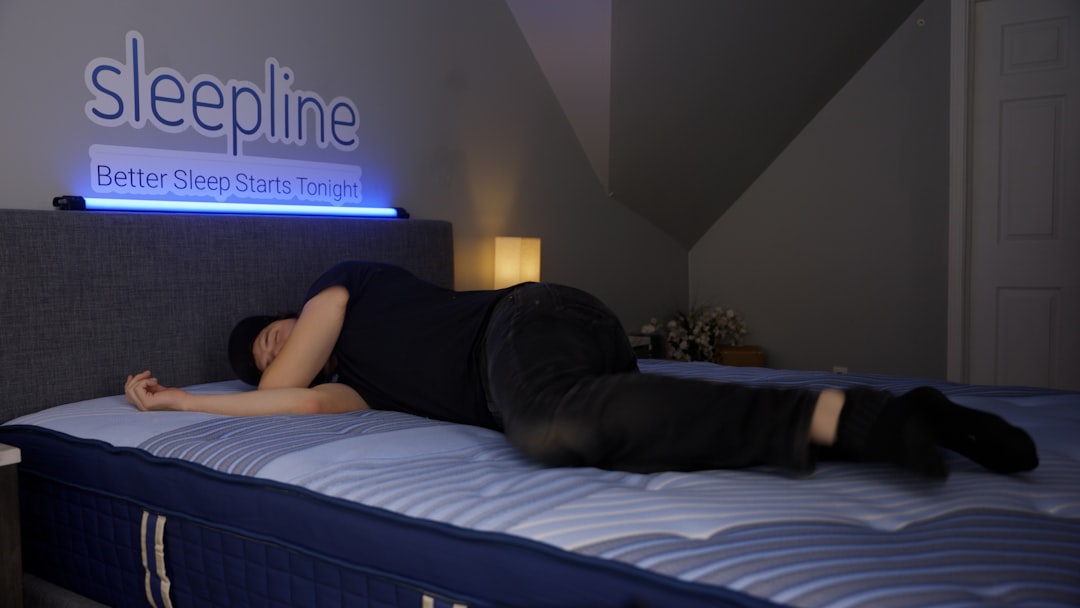
There’s really no substitute for this physical try-out. The only exception might be if you’re replacing an identical model you already own and love—then you could order the same thing again without testing. But for any new purchase, especially if you’re dealing with shoulder pain or are a pregnant woman advised to sleep on your left side, you need to feel the contouring yourself. A showroom visit turns abstract terms like “pressure relief” into a tangible experience you can judge with your own body.
Can a mattress help side sleeper shoulder pain? It can, but only if the comfort layer is thick enough to cradle the shoulder properly. A thin, firm mattress just pushes the joint back up—you’ll wake up sore. The key is a medium-soft to medium feel, with enough memory foam or latex to let the shoulder sink in without the hips dropping too far. That keeps your spine in line while the pressure gets relieved. Anything too hard won’t work.
What mattress firmness for pregnant side sleeper? Go medium, not medium-soft. You need that extra support for the changing weight distribution, especially when sleeping on the left side is advised. A pure soft mattress might let the hips sag too much, putting strain on the lower back. The contouring still matters for the shoulder, but the core has to feel stable. It’s a balance, but leaning slightly firmer is safer for those months.
Is memory foam too hot for Singapore? It can be, if it’s the basic, dense kind. But many modern foams are gel-infused or have open-cell structures that breathe better. In our humidity, you want a layer that doesn’t trap heat—so look for those specifics. Latex is a cooler alternative, but it doesn’t contour as deeply for side sleepers. The heat issue is real, but it’s not a blanket ‘no’ for all memory foam anymore.
How thick should a side sleeper mattress be? At least 25cm, with a good 8–10cm of that being the comfort layer. A thin mattress simply cannot provide the sink-in depth your shoulder needs. Anything under 20cm is likely too firm in the comfort section, even if it says ‘medium’. The overall height ensures the softer top layer has enough material to work before you hit the firm support base. That’s the one you shouldn’t compromise on.
You’ve narrowed down the thickness, the comfort layers, the firmness. But if you skip the final material check, you’ll discover the mistake only when you wake up aching after the first humid week. For a side sleeper, the core and its density rating aren’t just specs—they’re the foundation that keeps your spine aligned over years, not just the first month.
Look past the marketing terms. A mattress core, whether it’s high-density foam or pocketed springs, needs a number: its density rating. For foam, that’s usually listed as something like 50D or 80D. Higher density foam supports your weight better and resists sagging over time, which is critical because a side sleeper’s hips and shoulders press down hardest. A low-density core in a medium-soft comfort system will collapse under pressure too quickly, letting your spine curve out of line. That misalignment won’t shout on day one; it whispers over months, until you realise you’re waking with that familiar shoulder pinch.
Match the density to your weight. A lighter person might find adequate support in a medium-density foam, say around 50D, paired with a generous latex or memory foam comfort layer. Someone heavier will need a core rated higher, perhaps 80D or more, to prevent that deep sinkage that throws alignment off. This is the non-obvious point: a mattress labelled “for side sleepers” might have the right top layers but a core that’s too soft for your specific body. You must ask for the density figure, or check the technical sheet if it’s available. If they can’t provide it, that’s a red flag.

The one exception? If you’re buying a mattress with a substantial pocketed spring system, the core support comes from the spring count and their individual tension, not a foam density rating. In that case, your final check shifts to ensuring those springs are adequately grouped and that the comfort layers above them are thick enough to prevent you from feeling each coil. But for the majority of foam-based or hybrid options in a typical 4-room BTO setup, density is the final gatekeeper. Don’t commit until you’ve verified it against your weight—that last step saves you from a costly mismatch that only the relentless Singapore humidity will reveal.